


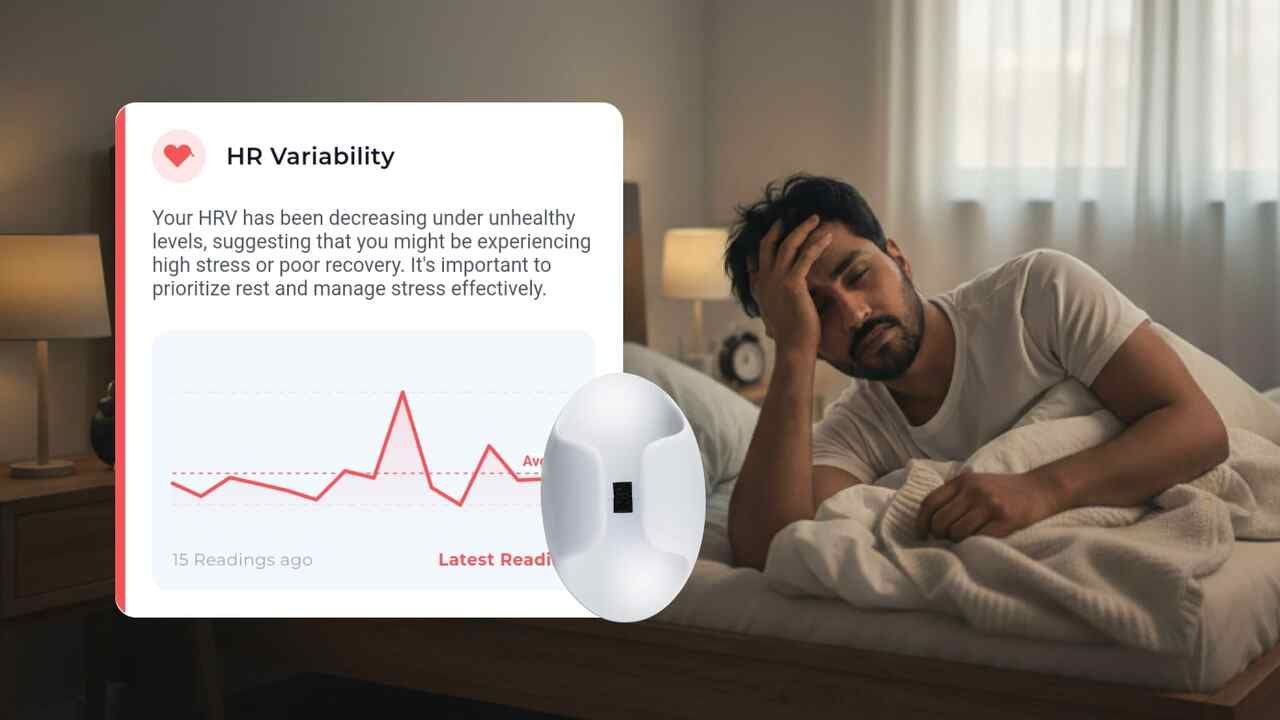
Even though he slept for seven hours, he woke up tired. Not exhausted, not sick, just slightly heavy in a way that was hard to explain. His eyes felt open, but his body felt unfinished, as if the night had paused halfway through its job. He checked the clock. The duration was right. He had gone to bed on time. There was no obvious reason to feel this way. So he moved on with the day.
This happened often enough to stop feeling unusual. Some mornings felt fine. Others felt slow. There was no clear pattern to point to, no single habit to blame. The body seemed to recover on some days and not on others, without any visible logic. Over time, this inconsistency became normal. Instead of asking why, he adjusted his expectations and accepted that feeling slightly tired was just part of routine life.
Most people assume that when circumstances improve, the body follows automatically. Better sleep, fewer late nights, healthier routines. The expectation is that the system resets. But the body does not operate like a switch. It learns from what it experiences. Long periods of irregular schedules, sustained pressure, or poor recovery reshape internal responses. The nervous system adapts. Heart patterns shift. Stress regulation becomes less efficient, even after external conditions change.
This is why people often feel out of sync with their own lives. Emotionally, things feel manageable. Practically, habits improve. Yet physically, the body continues to behave as if it is still in an earlier phase. Energy feels uneven. Recovery feels incomplete. Rest feels lighter than it should. These are not symptoms of illness, but signs of physiological memory. The body is still responding to what it learned in the past.
This is where platforms like Doori provide meaningful insight. Instead of focusing on isolated readings or single days, Doori tracks patterns over time. By analysing heart signals and stress indicators, Doori builds a picture of how the body is actually behaving, not just how it feels. The data often reveals long-term trends such as consistently elevated stress or recovery that never fully stabilises, even when life feels calmer.
What Doori makes visible is that health is not only shaped by present habits. It is shaped by accumulated experience. The body does not forget easily. It adjusts, stores, and continues forward based on what it has learned to handle. Understanding this changes how people approach their health. Instead of searching for immediate fixes, they begin to recognise that true recovery is a gradual process of re-adaptation, not a simple return to normal.
FOR MORE INFORMATION:


